Services 1 Image

Kitchen Tiling

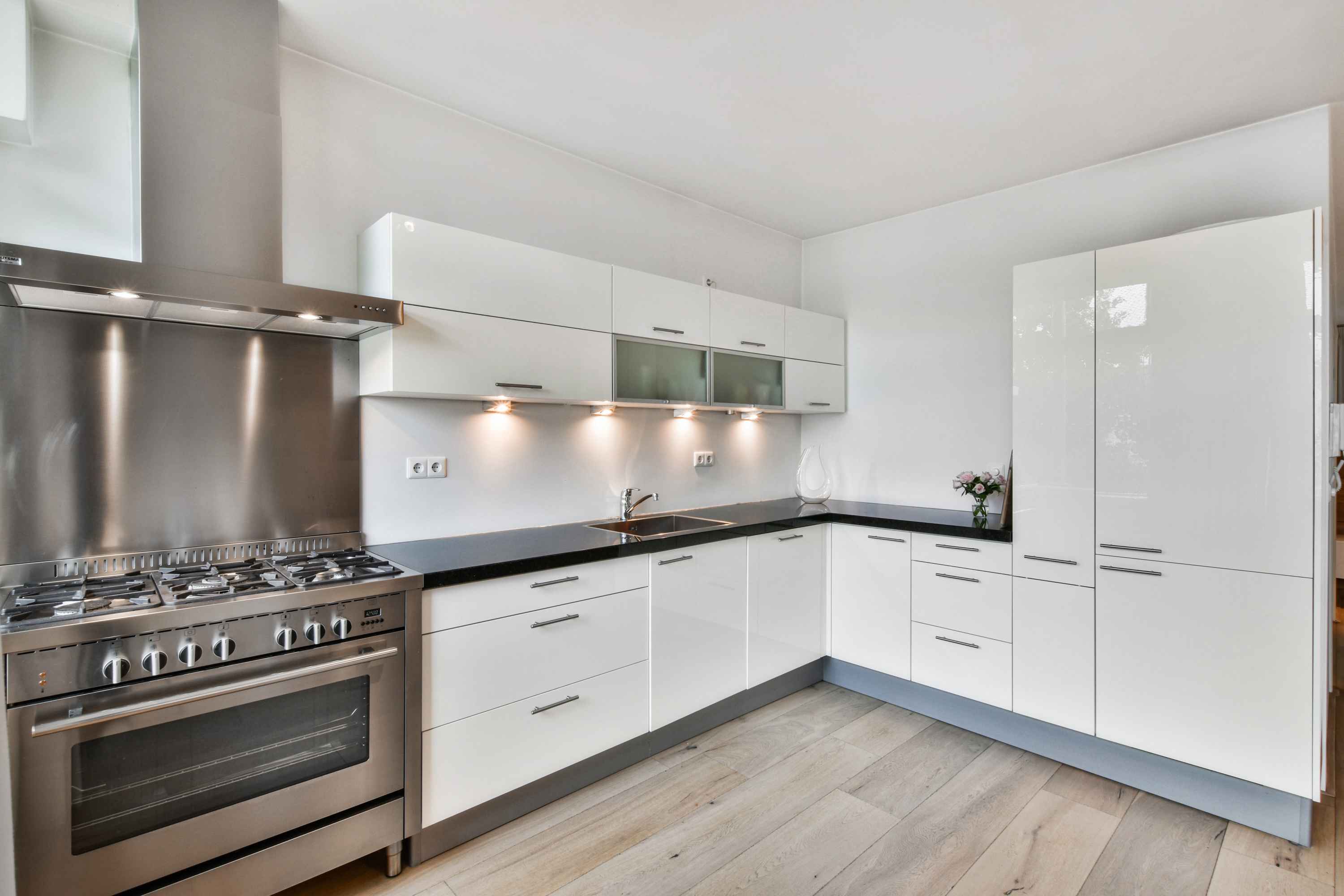
Kitchen tiling involves the art and science of enhancing the aesthetic appeal and functionality of kitchen spaces through carefully chosen tiles. These tiles are not merely decorative but also serve practical purposes such as easy cleaning, durability, and water resistance. The process begins with meticulous planning to ensure that the tiles complement the overall kitchen design while meeting the specific needs of the homeowner. Each tile is selected based on its material, color, size, and texture, aiming to create a cohesive and visually pleasing environment.

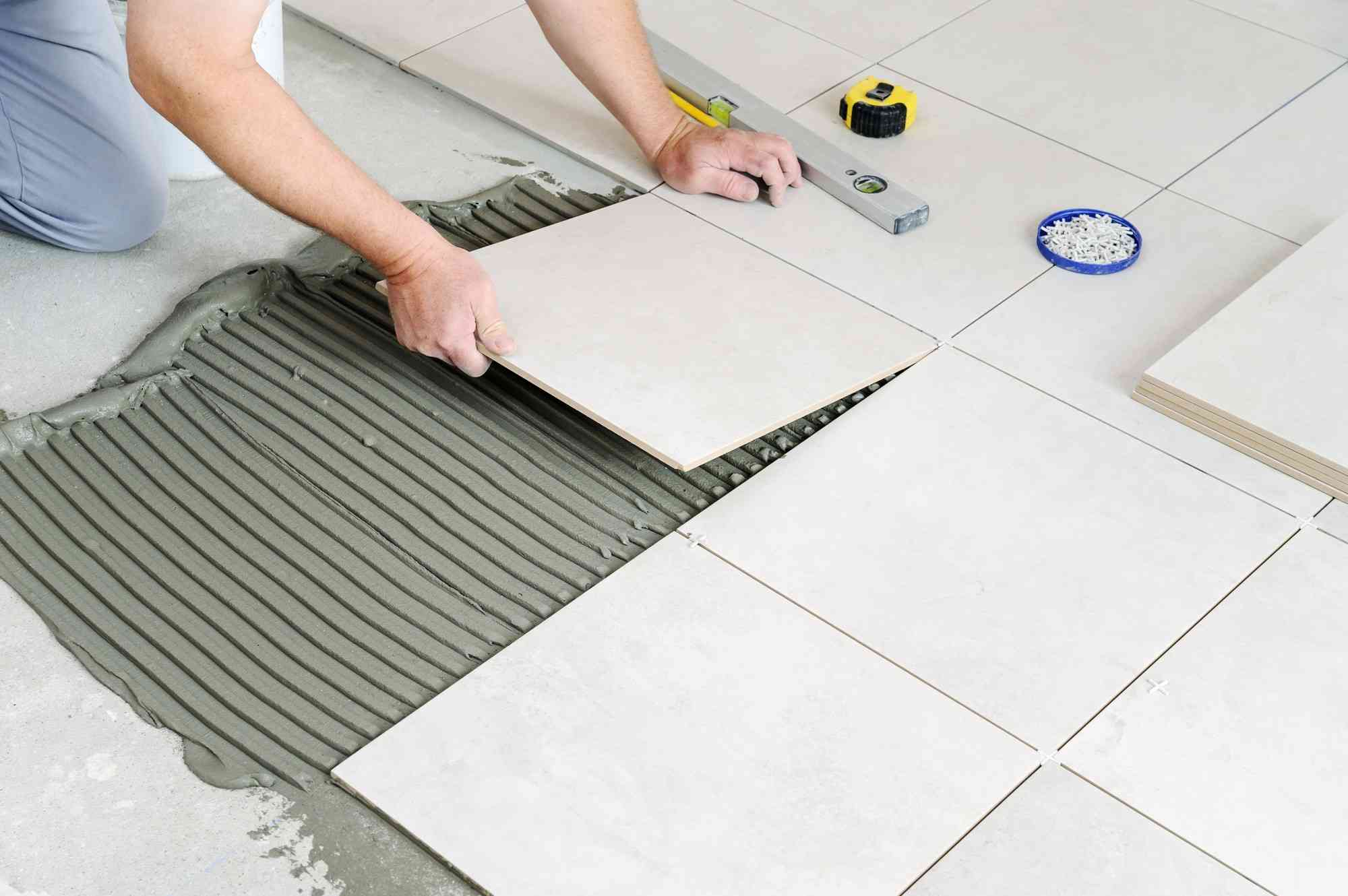
Installation is a crucial phase in kitchen tiling, demanding precision and expertise to achieve seamless results. Proper preparation of the surface ensures the tiles adhere firmly and withstand daily wear and tear. Grouting, the filling material between tiles, plays a significant role in both aesthetics and functionality, preventing water penetration and enhancing tile stability. Experienced professionals employ advanced techniques to ensure every tile is laid out accurately, creating a smooth, level surface that enhances the kitchen's appeal.

Beyond functionality, kitchen tiling is an opportunity to express creativity and style. Homeowners can choose from a wide array of tile patterns, from classic subway tiles to intricate mosaic designs, to suit their personal taste and complement the kitchen's overall theme. The right choice of tiles can transform a kitchen into a focal point of the home, blending practicality with beauty seamlessly. Careful consideration of factors such as lighting and layout ensures that the tiled kitchen not only looks stunning but also serves its practical purpose efficiently.
Services 2 Image

Bathroom Tiling

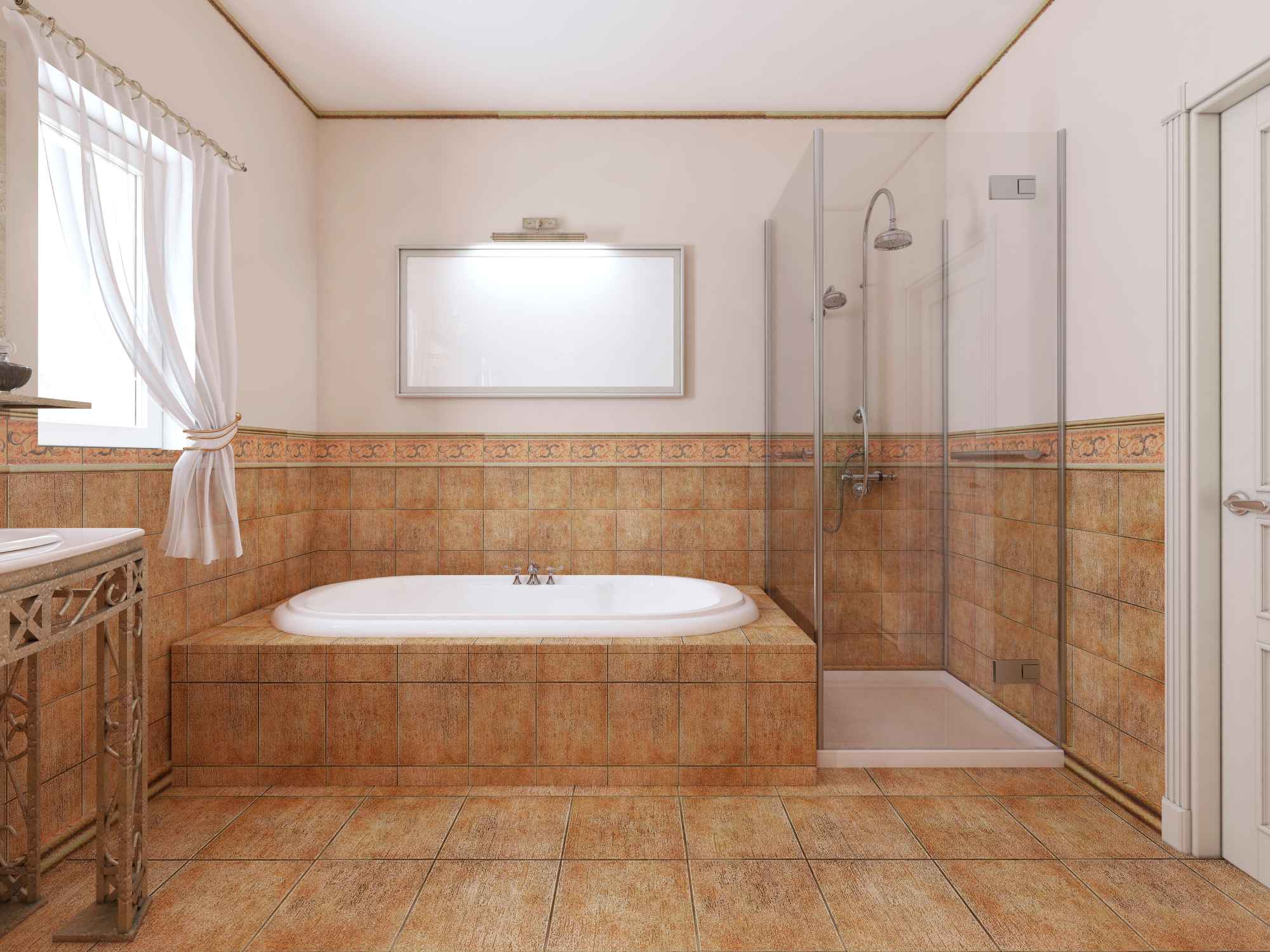
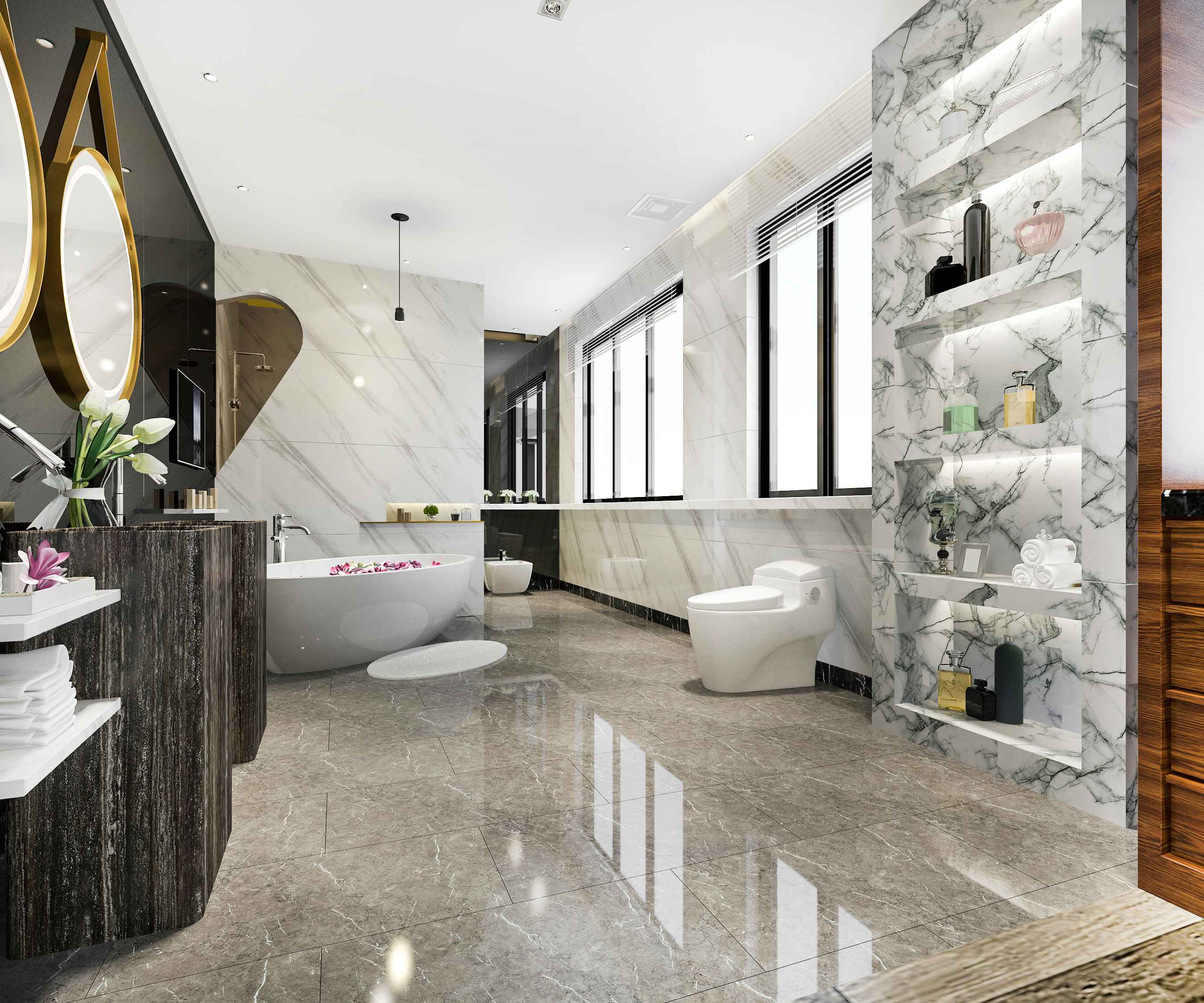
Bathroom tiling involves the strategic application of tiles to enhance both the aesthetics and functionality of a bathroom space. Tiles chosen for bathrooms must withstand high levels of moisture, humidity, and frequent cleaning, making material selection crucial. Options range from ceramic and porcelain to natural stone, each offering unique characteristics in terms of durability, water resistance, and aesthetic appeal.

The process of bathroom tiling begins with careful planning and design to ensure the tiles not only complement the overall bathroom style but also meet practical needs. Tiles are selected based on their ability to withstand water exposure and provide a non-slip surface, especially important in wet areas like showers and around bathtubs. Installation requires meticulous attention to detail, ensuring proper waterproofing techniques are employed to prevent water damage and mold growth.

In terms of design, bathroom tiles offer a versatile canvas for creativity. Homeowners can choose from an array of sizes, shapes, colors, and patterns to achieve their desired look—from sleek and modern to timeless and elegant. Tile layout plays a significant role in the visual impact of the bathroom, with options ranging from classic grid patterns to more intricate designs like herringbone or mosaic.

Maintenance of bathroom tiles is essential to preserve their appearance and functionality over time. Regular cleaning with appropriate products helps prevent soap scum buildup and maintains grout integrity. Sealing tiles and grout periodically enhances their water resistance and prolongs their lifespan, ensuring they continue to enhance the bathroom's beauty and functionality for years to come.

Services 3 Image

Outdoor Tiling

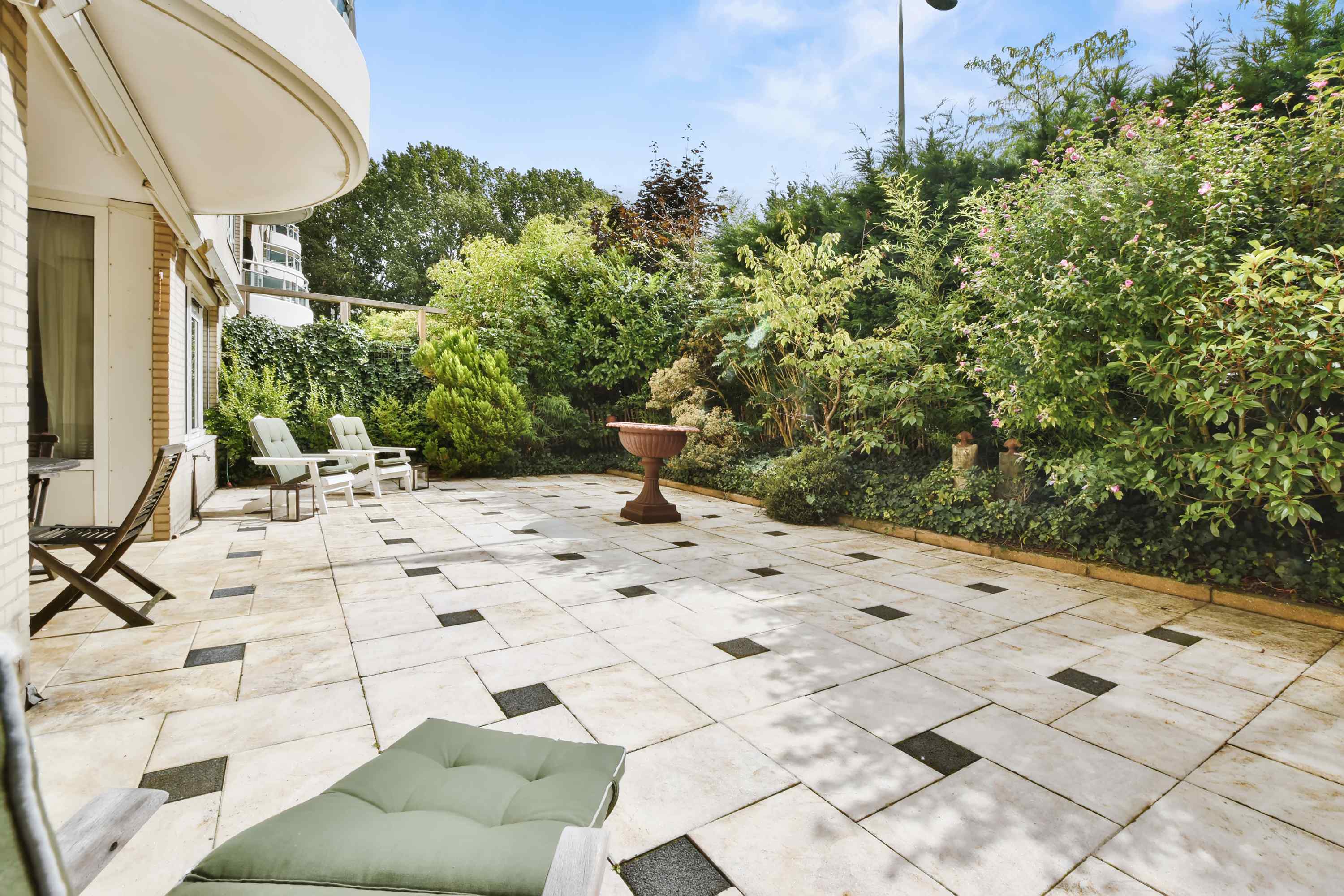
Outdoor tiling involves the strategic application of tiles in exterior spaces to enhance functionality, aesthetics, and durability. Unlike indoor tiling, outdoor tiles must withstand various weather conditions, including rain, sun exposure, and temperature fluctuations, making material selection crucial. Common options include porcelain, natural stone, and ceramic, each chosen for its durability, slip resistance, and ability to withstand outdoor elements.

The process of outdoor tiling begins with careful planning and design to ensure the tiles complement the overall landscape and architectural style of the property. Tiles are selected based on their ability to provide a safe and stable surface for walking and other activities. Installation requires specialized techniques to ensure proper drainage, preventing water buildup and potential damage to the tiles and underlying surfaces.

In terms of design, outdoor tiles offer versatility in creating functional and visually appealing spaces. Homeowners can choose from a variety of sizes, shapes, colors, and textures to achieve different looks—from sleek and contemporary to rustic and natural. Popular choices for outdoor areas include patio tiles, pool surrounds, pathways, and outdoor kitchens, each requiring specific considerations for durability and safety.

Maintenance of outdoor tiles is essential to preserve their appearance and longevity. Regular cleaning with suitable products helps prevent dirt buildup and maintains the tiles' slip resistance. Sealing tiles periodically enhances their resistance to moisture and stains, protecting them from outdoor elements and extending their lifespan.

Services 4 Image

Stone Tiling

Stone tiling involves the use of natural stone materials to enhance the aesthetic appeal and durability of interior and exterior spaces. Natural stones such as marble, granite, limestone, slate, and travertine are popular choices due to their unique textures, colors, and natural variations, which add a distinctive elegance to any environment.

The process of stone tiling begins with careful selection of the type of stone based on its intended use and desired aesthetic. Each type of stone offers different characteristics—marble, for example, is known for its luxurious appearance and smooth texture, while slate is valued for its rugged beauty and durability. Installation of stone tiles requires specialized techniques to ensure proper leveling, sealing, and grouting to enhance both the visual appeal and longevity of the tiles.

In terms of design, stone tiles provide versatility and sophistication. They can be used in various applications such as flooring, wall cladding, countertops, and even outdoor paving, offering a timeless appeal that complements both traditional and contemporary architectural styles. Homeowners can choose from a range of finishes, including polished, honed, brushed, and tumbled, each offering a different look and feel to suit their preferences.

Services 5 Image

Floor Tiling

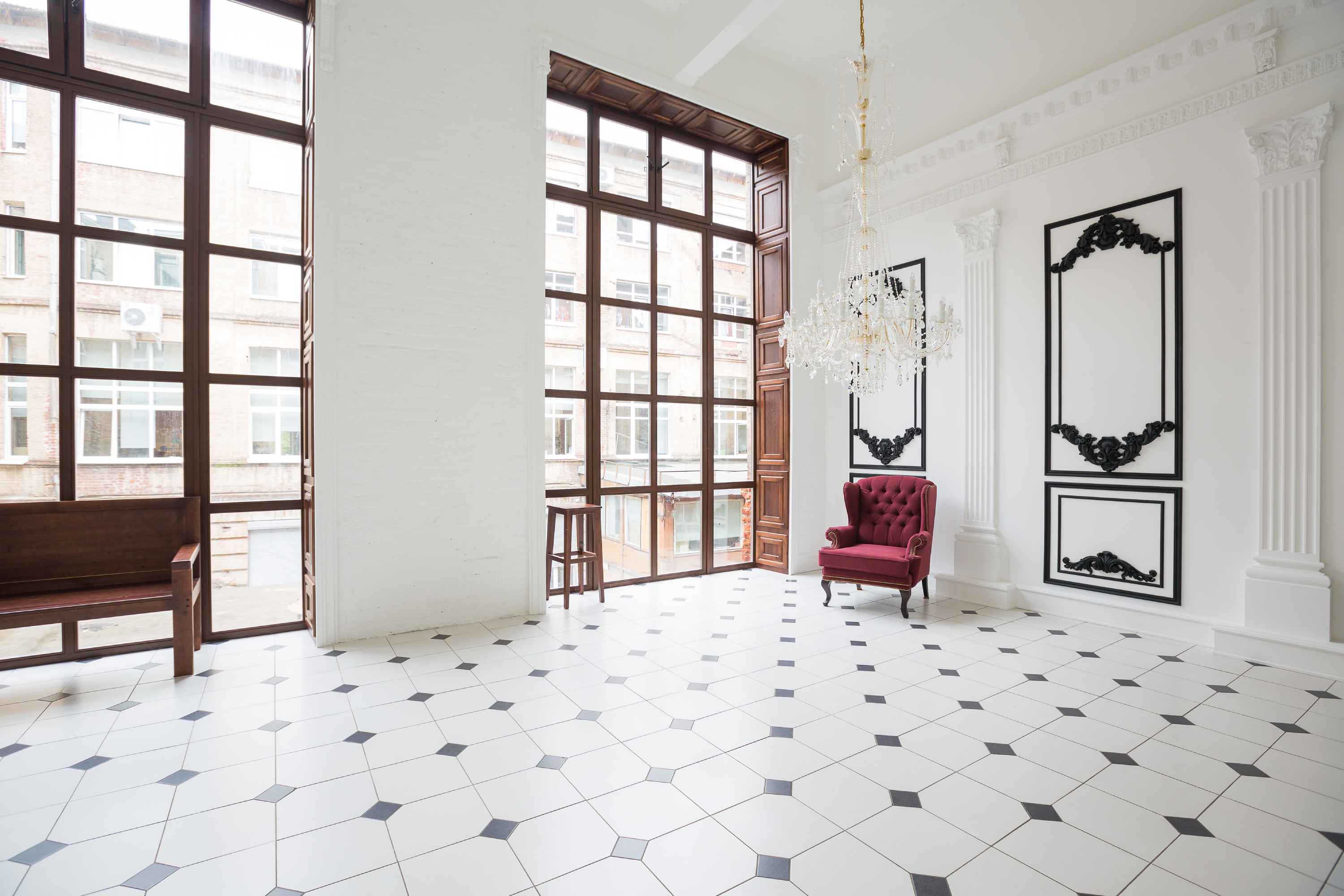
Floor tiling is a crucial aspect of interior design and functionality, involving the installation of tiles on floors to enhance aesthetics, durability, and ease of maintenance. Tiles chosen for floors must withstand daily wear and tear, moisture, and foot traffic, making material selection critical. Common options include ceramic, porcelain, natural stone, and even luxury vinyl tiles (LVT), each offering unique characteristics suited for different environments and design preferences.

The process of floor tiling begins with careful planning and preparation of the subfloor to ensure a stable and level surface. Proper subfloor preparation helps prevent cracking and ensures the tiles adhere firmly. Installation techniques vary depending on the type of tile chosen, with methods ranging from traditional mortar application to newer, more efficient systems like snap-together or adhesive-backed tiles.

In terms of design, floor tiles offer endless possibilities to enhance the style and functionality of a space. Homeowners can choose from various sizes, shapes, colors, patterns, and finishes to create different looks—from classic and timeless to modern and innovative. Popular choices include large-format tiles for a seamless appearance, mosaic tiles for intricate designs, and wood-look tiles that combine the aesthetic appeal of wood with the durability of tile.

Services 6 Image

Commercial Tiling

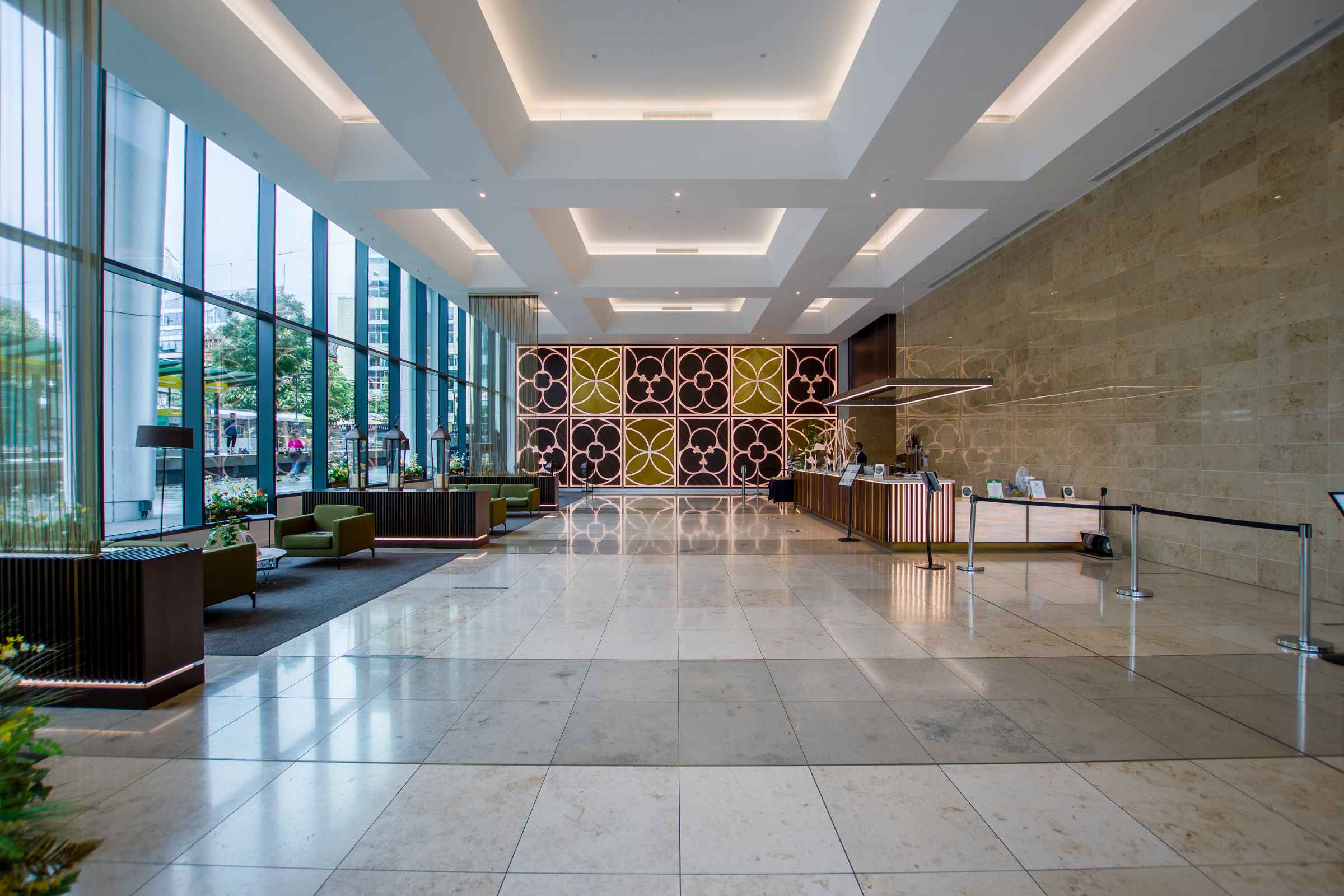
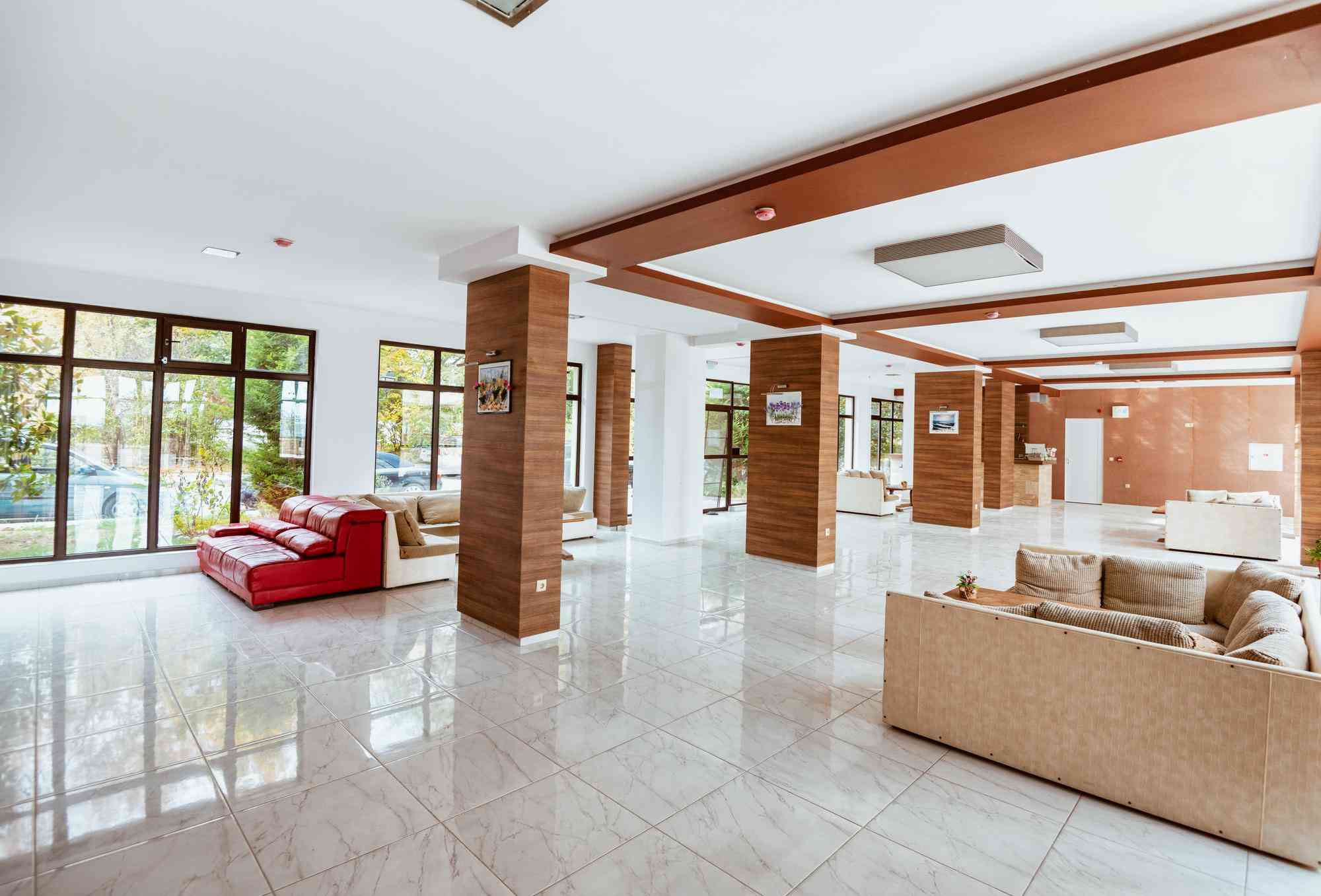
Commercial tiling involves the installation of tiles in non-residential settings such as offices, retail spaces, restaurants, hotels, and public buildings. The requirements for commercial tiling differ from residential projects in terms of scale, durability, safety, and design considerations.

One of the key aspects of commercial tiling is durability. Tiles selected for commercial spaces must be able to withstand heavy foot traffic, frequent cleaning, and potential impact from furniture and equipment. Common choices include porcelain and ceramic tiles known for their durability, as well as natural stone options like granite or slate, depending on the aesthetic and functional requirements of the space.

Installation of commercial tiles often requires specialized techniques and considerations. Proper subfloor preparation is crucial to ensure a level surface that can support the weight and traffic demands of commercial environments. Adherence to safety standards, such as slip resistance and fire ratings, is also essential to ensure a safe environment for employees, customers, and visitors.

Services 7 Image

Waterproofing

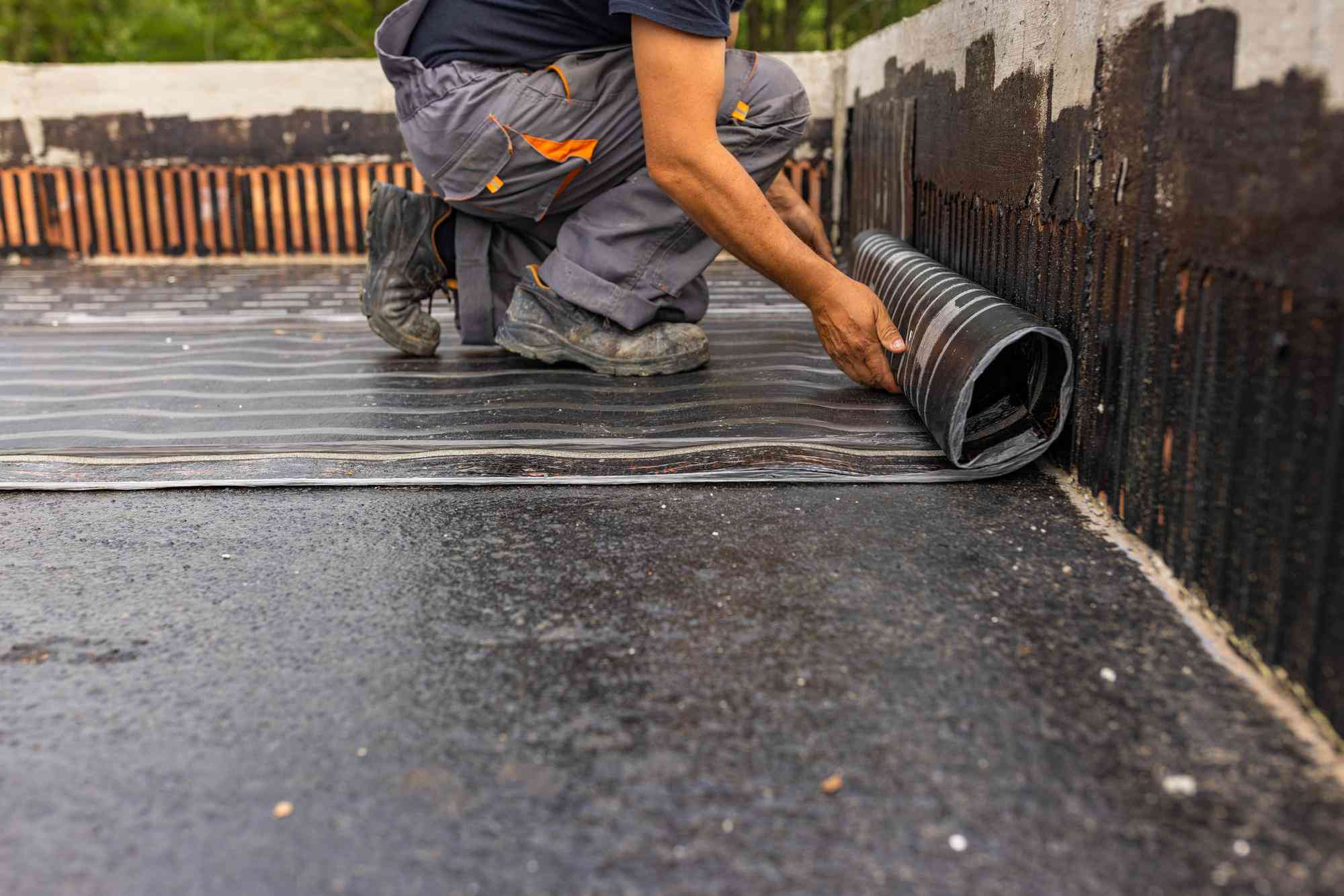
Waterproofing is a critical process that involves making a surface or structure resistant to the ingress of water. It is essential in various applications, from residential bathrooms and kitchens to commercial buildings, basements, and outdoor areas prone to moisture exposure.

The primary purpose of waterproofing is to prevent water from penetrating into underlying structures, which can cause damage such as mold growth, structural deterioration, and even health hazards. Effective waterproofing systems are designed to create a barrier against water infiltration while remaining durable and resilient over time.

Membrane Waterproofing applying a waterproof membrane or layer onto surfaces such as roofs, foundations, or concrete slabs. Membranes can be made from materials like bitumen, PVC, EPDM (rubber), or liquid-applied membranes. They form a continuous barrier that prevents water penetration.

Cementitious Waterproofing involves using cement-based coatings or additives that are mixed with cement to enhance its waterproofing properties. Cementitious waterproofing is often used for basements, swimming pools, and other below-grade structures.

Services 8 Image

Mosaic Tiling

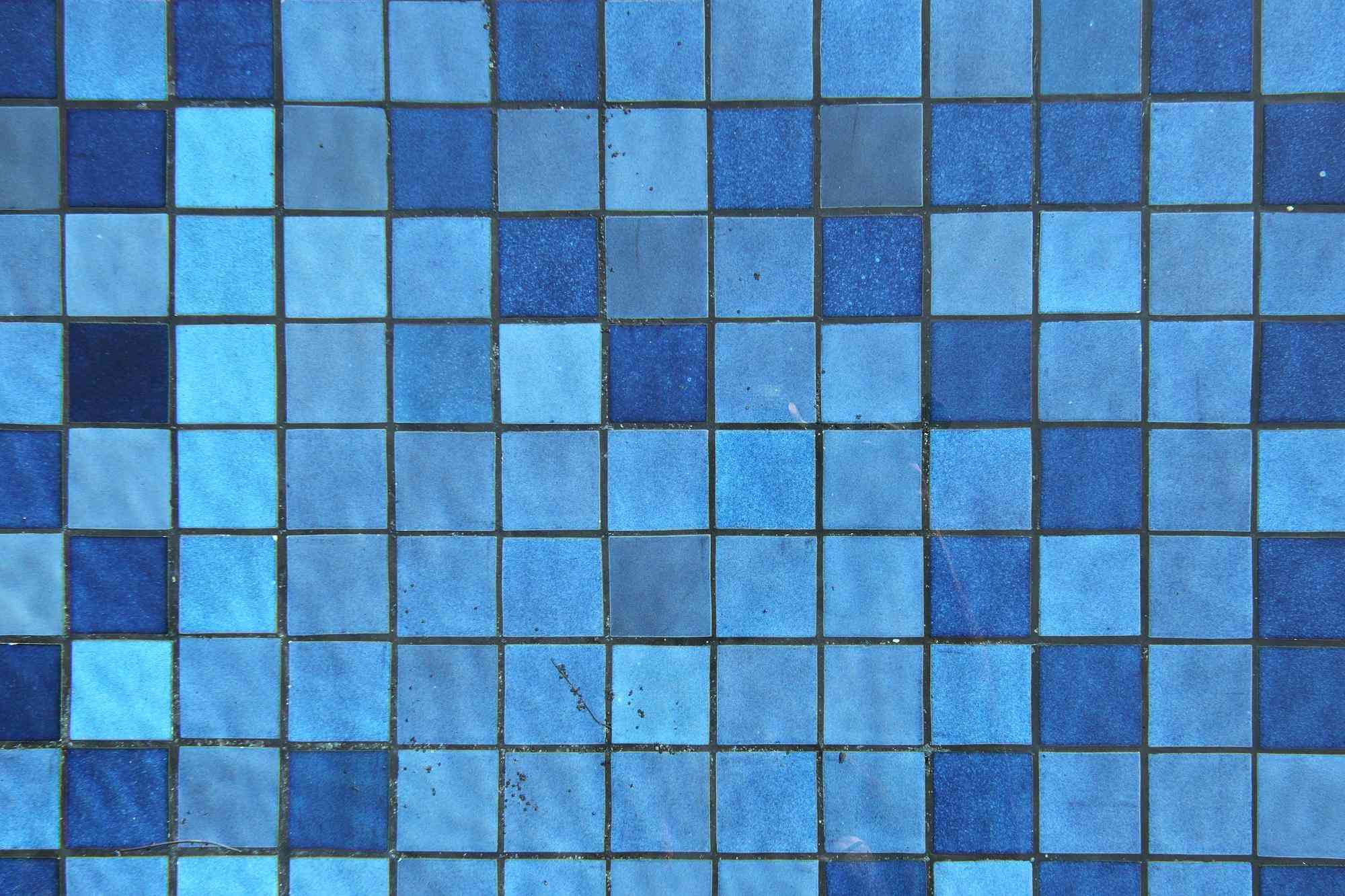
Mosaic tiling is a decorative technique that involves the arrangement of small tiles, called tesserae, to create intricate patterns, images, or designs. These tiles can be made from various materials such as glass, ceramic, porcelain, stone, or even metal, offering versatility in both aesthetic appeal and functional use.

The process of mosaic tiling begins with the selection of tesserae, which come in a wide range of colors, shapes, and sizes. Mosaics can be created using tiles as small as a few millimeters up to larger sizes, depending on the desired effect and detail of the design. Artists and designers often use mosaic tiles to produce elaborate patterns or artistic representations, ranging from geometric shapes to detailed landscapes or portraits.

Installation of mosaic tiles requires precision and skill to ensure the tiles fit together seamlessly and the design is accurately represented. Traditionally, mosaic tiles are mounted on sheets or mesh backing to simplify the installation process. This allows for easier handling and placement of individual tiles, especially for complex designs that require careful alignment.

Services 9 Image

Ceramic Tiling

Ceramic tiling involves the use of clay-based tiles that are fired at high temperatures to create durable, versatile, and aesthetically pleasing surfaces for various applications. Ceramic tiles are popular in both residential and commercial settings due to their durability, ease of maintenance, and wide range of design options.

The process of ceramic tiling begins with the preparation of clay, which is shaped into tiles and then fired in kilns to harden them. These tiles are then glazed or left unglazed, depending on the desired finish and application. Glazed ceramic tiles have a protective layer that enhances their resistance to water, stains, and scratches, making them suitable for areas such as kitchens, bathrooms, and high-traffic floors.

Installation of ceramic tiles involves laying them on a prepared surface using adhesive or mortar. Proper alignment and spacing are crucial to achieve a uniform and attractive appearance. Grout is applied between tiles to fill gaps and provide stability, as well as to enhance the overall aesthetic by complementing or contrasting with the tile color.

Design options for ceramic tiles are extensive, ranging from traditional square or rectangular tiles to decorative shapes, sizes, and patterns. They come in a variety of colors, textures, and finishes, including matte, glossy, and textured surfaces, allowing homeowners and designers to create customized looks that suit their preferences and interior styles.

Services 10 Image

Residential Tiling

Residential tiling refers to the installation of tiles in homes and apartments to enhance both the aesthetic appeal and functionality of interior and exterior spaces. Tiles used in residential settings are chosen based on factors such as durability, ease of maintenance, water resistance, and design preferences.

The process of residential tiling begins with planning and design, where homeowners or designers select tiles that suit the style and function of each space. Common areas for residential tiling include kitchens, bathrooms, entryways, living rooms, patios, and even outdoor pathways or pool surrounds. Each area may have different requirements in terms of tile material, size, color, and finish.

Installation of residential tiles involves preparing the surface, which includes ensuring the subfloor or existing surface is clean, level, and suitable for tile installation. Different types of tiles, such as ceramic, porcelain, natural stone, or glass, require specific adhesive or mortar applications to securely bond them to the surface. Proper spacing and alignment of tiles are essential for achieving a uniform and aesthetically pleasing result.

Design options for residential tiles are extensive, allowing homeowners to create customized looks that reflect their personal style preferences. Tiles come in a variety of shapes, sizes, colors, patterns, and finishes—from classic subway tiles and intricate mosaics to large-format tiles and wood-look porcelain options. These choices provide versatility to match different interior themes and architectural styles.